The Seven Rila Lakes: A Journey Through Bulgaria's Most Beautiful Mountains
A guide to Bulgaria’s most celebrated alpine landscape — glacial lakes, mountain trails, legends, and the quiet grandeur of the Rila Mountains.
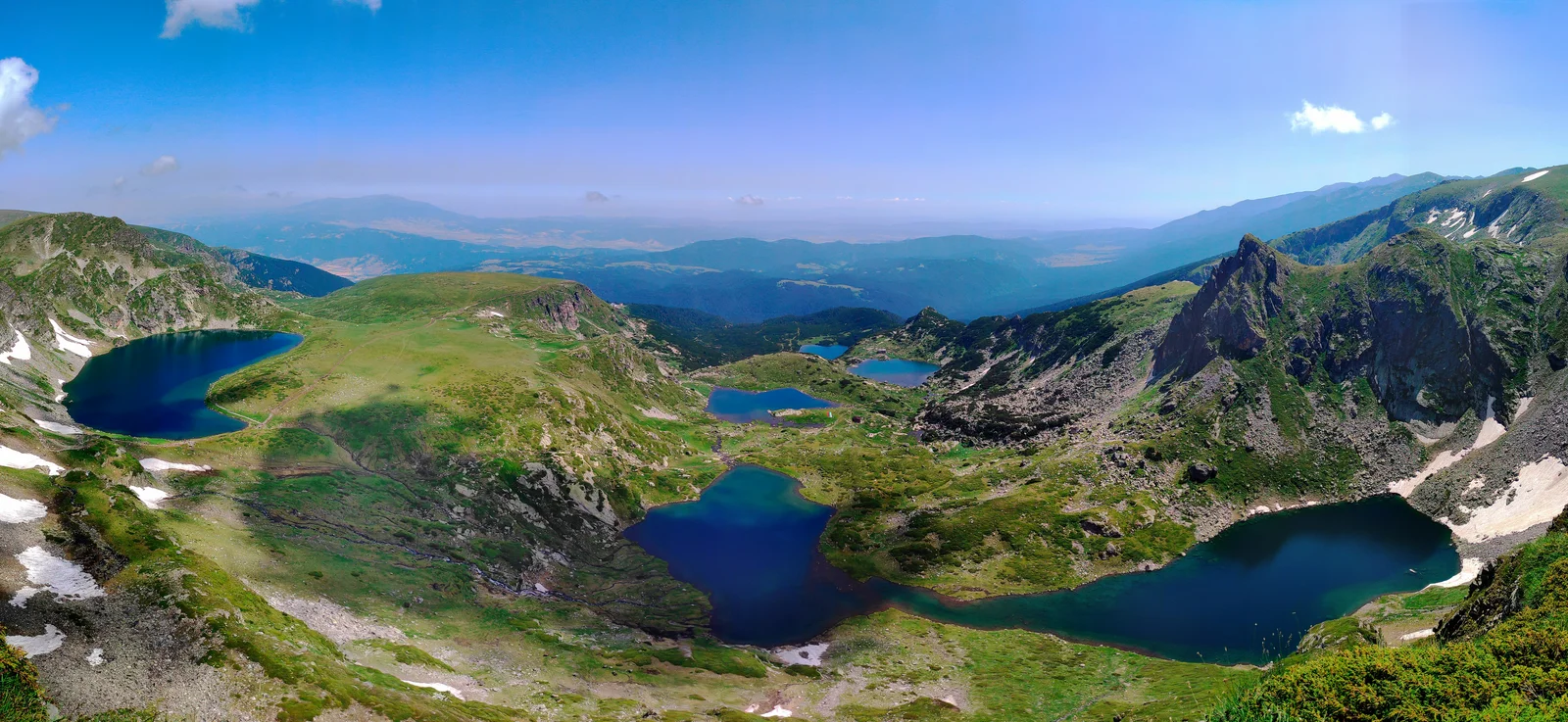
High in the Rila Mountains, at altitudes between roughly 2,100 and 2,500 metres, seven glacial lakes lie strung along a ridge like beads on a chain. Known simply as the Seven Rila Lakes, they are among Bulgaria’s most iconic landscapes — not because they are the only beautiful place in the country, but because they distill so much of what makes Bulgarian nature remarkable: ancient geology, clear alpine air, and a sense of scale that humbles even experienced hikers.
For Bulgarians, the lakes are more than a tourist attraction. They are part of a national imagination shaped by mountains — a place where city dwellers escape in summer, where generations have learned the names of each lake and the stories attached to them, and where nature inspires a deep sense of freedom and belonging.
The Seven Lakes and Their Names
Each lake carries a name inspired by its shape, appearance, or local folklore. The Tear (Salzata) is the highest lake and is renowned for its crystal-clear waters. The Eye (Okoto) is the deepest of the seven and is famous for its nearly perfect oval shape. The Kidney (Babreka) owes its name to its distinctive form, while the Twin (Bliznaka), the Trefoil (Trilistnika), the Fish Lake (Ribnoto Ezero), and the Lower Lake (Dolnoto Ezero) complete the chain descending through the valley.
Walking between the lakes takes several hours along well-marked mountain trails. The complete circuit is moderately demanding but manageable for most reasonably fit visitors. Many hikers choose to continue as far as the Eye and the Tear before returning, while others complete the entire route to experience all seven lakes.
Legends of the Seven Rila Lakes
Like many of Bulgaria’s natural landmarks, the Seven Rila Lakes are surrounded by folklore. One popular legend tells of two giants who lived peacefully in the mountains. When tragedy struck and one of them died, the sorrow of his beloved was so immense that her tears flowed endlessly, forming the seven lakes.
Several versions of the story exist, but all reflect the close relationship between Bulgarians and the mountains. Even today, local legends continue to add a sense of mystery and spirituality to the landscape.
How to Visit
Most visitors reach the lakes from Sofia, approximately 90 kilometres south of the capital. The most popular route begins at the Pionerska chairlift station near Panichishte. From there, a chairlift carries visitors to the Rila Lakes Hut area, from where the main hiking trail starts.
Experienced hikers may also approach the lakes on longer routes through the Rila Mountains. One of the most rewarding options is the route connecting the lakes with the Rila Monastery, which can be completed on foot or partially with horseback assistance during the summer season.
The standard trail requires no technical climbing equipment, but sturdy footwear, sufficient water, sun protection, and warm clothing are essential. Weather conditions can change rapidly in the mountains, and afternoon thunderstorms are common during summer.
Protecting a Fragile Landscape
The Seven Rila Lakes are among Bulgaria’s most visited natural attractions and are part of the Rila National Park. Their popularity brings increasing environmental pressure, especially during the summer months.
Visitors are encouraged to stay on marked trails, avoid leaving litter, and respect all park regulations. Preserving this fragile alpine ecosystem ensures that future generations will continue to experience the beauty of the lakes in their natural state.
Spiritual Significance and Paneurhythmy
Every August, the Seven Rila Lakes become a gathering place for thousands of followers of the Bulgarian spiritual teacher Peter Deunov (Beinsa Douno). At sunrise, participants perform Paneurhythmy — a series of sacred movements and dances symbolizing harmony between humans, nature, and the universe.
The tradition has been practiced here for decades and attracts visitors from all over the world, turning the lakes into one of Bulgaria’s most important spiritual destinations.
Beyond the Lakes
The Seven Rila Lakes are only one part of the vast Rila Mountains. The region is also home to Rila Monastery, Bulgaria’s most important spiritual centre and a UNESCO World Heritage Site, as well as Musala, the highest peak in both Bulgaria and the Balkans.
Visiting the lakes is not merely about completing a hike. It is about standing beside waters shaped by glaciers thousands of years ago, surrounded by peaks that have inspired generations of Bulgarians and continue to symbolize endurance, freedom, and natural beauty.
Before You Go
Frequently Asked Questions
- When is the best time to visit the Seven Rila Lakes?
- Late June through September offers the most reliable hiking conditions. July and August are the busiest months, while June and September usually provide fewer crowds and pleasant weather.
- Do I need a guide to hike the Seven Rila Lakes?
- No. The main route is well marked and suitable for independent hikers with moderate fitness. A guide can be useful for alternative routes or for learning more about the region's history and folklore.
- How difficult is the hike?
- The standard route is considered moderate. Most visitors spend between four and six hours exploring the lakes, depending on pace, weather, and rest stops.
- Is there an entrance fee for the Seven Rila Lakes?
- There is no entrance fee to visit the lakes. However, visitors using the chairlift must purchase a lift ticket.
Related Articles
More articles coming soon.