Kukeri: The Ancient Ritual That Scares Away Evil
Fur, bells, and masks — inside one of Bulgaria’s oldest living traditions of renewal, protection, and communal celebration.
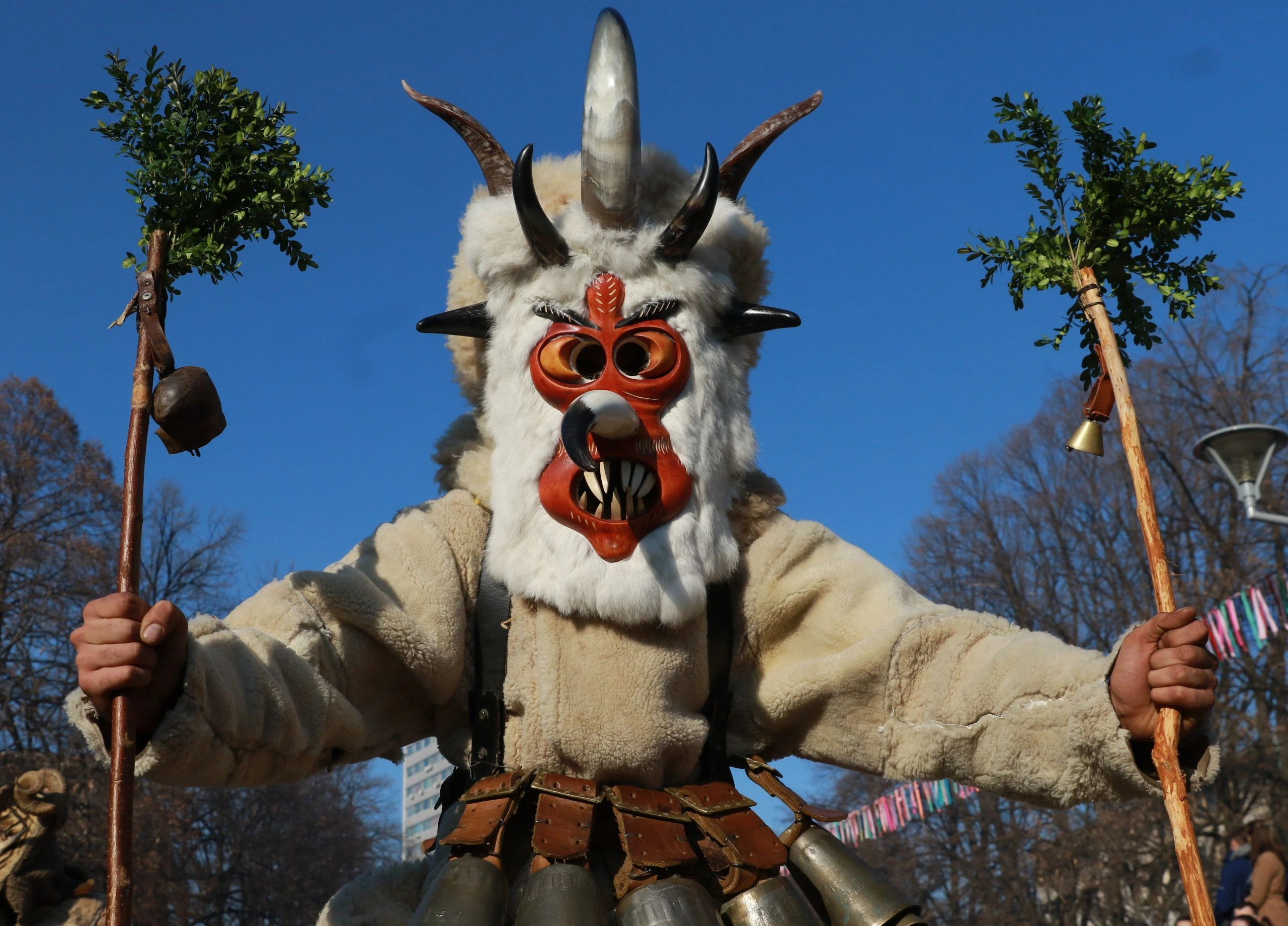
On winter days in villages across Bulgaria, groups of men disappear behind towering masks, fur costumes, and heavy bronze bells. They become Kukeri — ritual performers whose stomping, dancing, and deafening rhythms are believed to drive away evil spirits, awaken the sleeping earth, and bring health, prosperity, and fertility to the community.
Kukeri is not merely folklore performed for visitors. It is one of Bulgaria’s oldest living traditions, preserved for centuries through oral memory, craftsmanship, and the determination of local communities to keep their heritage alive.
Origins and Meaning
The exact origins of the Kukeri tradition remain uncertain, but scholars often connect it to ancient Thracian and broader Balkan fertility rituals associated with the changing seasons and the agricultural cycle. Long before Christianity arrived in the region, people believed that noise, masks, and ritual performances could protect communities from harmful forces.
The frightening masks symbolize chaos and the unknown, while the thunderous sound of dozens of bells is believed to cleanse the environment and chase away evil spirits. Through ritual, disorder gives way to renewal and a new agricultural year can begin.
Experiencing the Ritual
Witnessing Kukeri in person is unforgettable. The ground trembles beneath the synchronized movements of performers carrying massive bells around their waists. Masks several metres high sway above the crowd while the air fills with the sound of metal, drums, laughter, and ritual chants.
Many processions include symbolic characters such as a bride and groom, a ploughman, animals, or figures representing fertility and rebirth. Kukeri move from house to house blessing families and receiving food, wine, and gifts in return.
Craft and Costume
Authentic Kukeri costumes are entirely handmade. Masks are traditionally carved from wood and decorated with feathers, wool, beads, animal horns, and colourful textiles. Creating a single costume may require months of work.
The costumes are physically demanding. Together with the bells, a full outfit may weigh more than 40 kilograms, requiring significant strength and endurance from performers who often dance for hours in freezing winter temperatures.
Styles vary dramatically from region to region. In western Bulgaria, especially around Pernik, performers known as Survakari often wear enormous masks decorated with feathers and animal heads. In other parts of the country, animal symbolism and costume designs differ according to local traditions passed down through generations.
Where to Experience Kukeri Today
The most famous public event is the International Surva Festival in Pernik, held every January. The festival attracts thousands of participants and visitors from Bulgaria and abroad, transforming the city into a spectacular celebration of masquerade traditions.
UNESCO has included the Surva folk tradition of the Pernik region in its Representative List of the Intangible Cultural Heritage of Humanity, highlighting the global significance of these rituals.
Smaller village celebrations often provide an even more authentic experience. Visitors are welcome, but respectful behaviour is essential. Always ask permission before taking close-up photographs and remember that you are witnessing a living ritual deeply connected to local identity.
More Than Folklore
For many Bulgarians, Kukeri represents something deeper than tradition. It embodies the enduring belief that communities can overcome darkness, renew themselves, and face the future together.
Centuries have passed, empires have risen and fallen, yet every winter the bells ring once again across Bulgarian villages — a powerful reminder that some traditions are stronger than time itself.
Frequently Asked Questions
- When do Kukeri rituals take place?
- Most Kukeri traditions take place between Christmas and Lent, with January being the busiest period. Exact dates vary depending on the region and local customs.
- Is Kukeri the same as Surva?
- No. Kukeri refers to the broader tradition of masked ritual performers found across Bulgaria, while Surva is a specific regional tradition and festival associated mainly with the Pernik region.
- Can visitors participate in Kukeri rituals?
- Participation is usually reserved for local community members. Visitors are welcome to observe public festivals and processions respectfully.
- Why do Kukeri wear bells?
- According to tradition, the loud sound of the bells drives away evil spirits, purifies the environment, and welcomes prosperity and fertility for the coming year.
Related Articles
More articles coming soon.